A recording studio is a specialised space, meticulously designed to capture, produce and manipulate sound with the greatest possible fidelity and quality.
Unlike a regular room, a studio is a controlled environment designed to minimise external noise that could ruin a take (acoustic isolation) and to control how sound behaves within the room in order to deliver clean, precise audio free from unwanted interference (acoustic treatment).
History and evolution of studios
The history of recording studios is a story of constant technological innovation that has transformed sound from an ephemeral phenomenon into something that can be captured, processed and distributed globally. Below, we explore its evolution through the major eras that defined the industry:
The mechanical and electromechanical era (late 19th century – 1920)
In its early days, recording was a purely physical and mechanical process. No electricity was used; sound was captured through large horns that caused a needle to vibrate, which etched the waves directly onto wax cylinders or acetate discs.
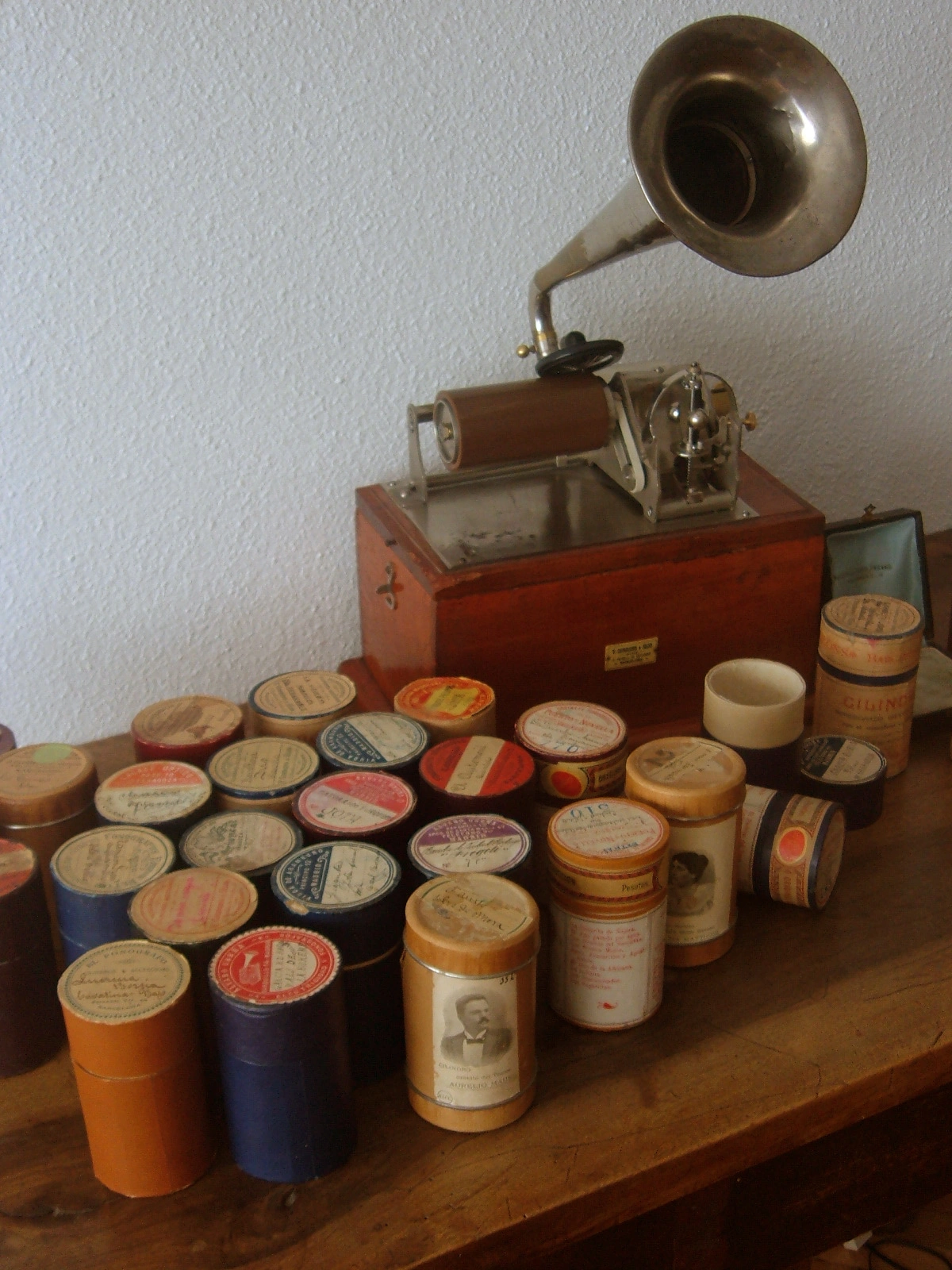
In the 1920s, the introduction of the microphone and electromechanical recording made it possible to capture nuances and sonic details that had previously been impossible to register, dramatically improving fidelity.
The analogue era and magnetic tape (1949 – 1970)
This stage revolutionised the way music was produced, thanks to open-reel tape machines.
For the first time, audio could be "edited". Engineers physically cut and spliced sections of magnetic tape to correct mistakes or structure songs.
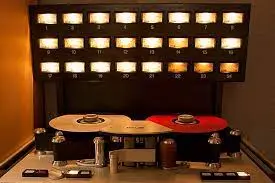
Studios evolved into large facilities with massive analogue consoles and multitrack systems. This allowed artists such as The Beatles and Pink Floyd to experiment with layers of sound, tape echo effects and reverb, defining the sound of classic rock.
The digital revolution (1980 – 1990)
The arrival of digital audio marked the end of total dependence on physical processes.
DAT (Digital Audio Tape) recorders and the first samplers were introduced, eliminating the characteristic hiss of tape and allowing far more faithful reproduction.
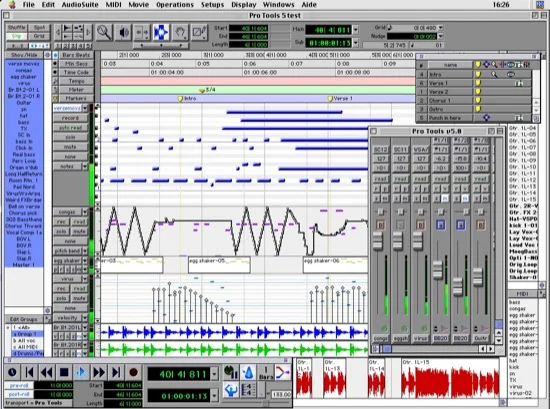
Digital Audio Workstations such as Pro Tools, Cubase and Logic Pro emerged. These tools allowed a computer to replace the enormous consoles and outboard equipment, making the process more intuitive and flexible.
The home studio era and virtualisation (2000 – present)
Today, the studio has been "miniaturised" and democratised. Expensive physical equipment has been replaced by plugins that digitally model the sound of vintage analogue gear.
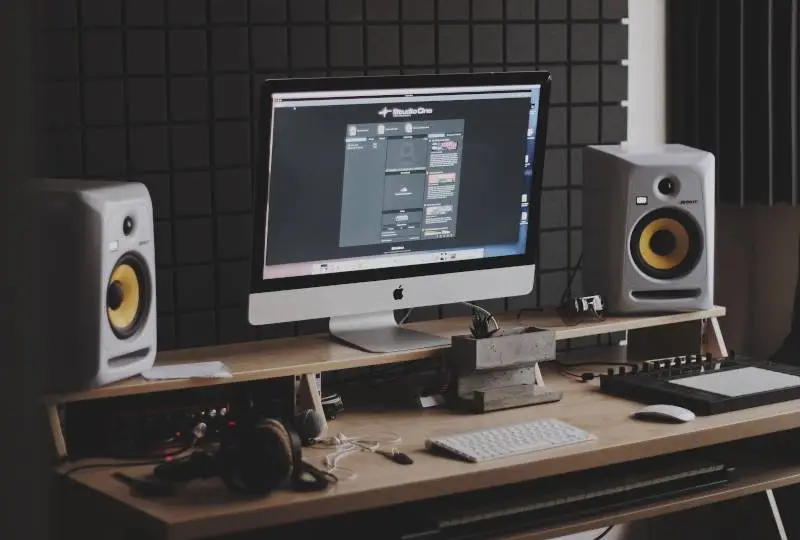
With an affordable audio interface, a microphone and a computer, anyone can achieve professional results from home. Furthermore, today's connectivity enables remote collaboration between musicians located in different parts of the world, eliminating geographical barriers.
The future: AI and immersive audio
The horizon for recording studios points towards artificial intelligence for complex mixing and mastering tasks, as well as the development of 3D and immersive audio, which seeks to create enveloping sonic experiences that go beyond traditional stereo.