Talking about "types of microphone" really means talking about several distinct classifications layered on top of one another. The same microphone can be described at once by how it converts sound into electricity, by the size of its capsule, by which direction it listens in, by its physical shape and by how it connects to the console. Understanding these criteria separately — and how they combine — is the foundation for choosing the right microphone for each situation with confidence.
Classification by transduction principle
The most fundamental criterion is how the microphone converts the diaphragm's vibration into an electrical signal, as explained in detail in the article on how a microphone works. In summary:
- Dynamic (moving-coil): Electromagnetic induction. Robust, passive, no power required. Tolerates very high sound pressure levels.
- Condenser: Electrostatic principle. More sensitive and detailed, requires phantom power (+48V) to operate.
- Ribbon: Electromagnetic induction with a metal ribbon as the single element. Warm, natural sound, very fragile, weak output signal.
- Electret: A condenser variant with a permanent factory charge. Inexpensive and widespread in low-cost, lavalier and mobile-device microphones.
Classification by diaphragm size
Within condenser microphones, there is a second relevant classification based on the physical size of the capsule:
- Large diaphragm (LDC, Large Diaphragm Condenser): Capsule of 25 mm or more. Better signal-to-noise ratio, a more pronounced proximity effect and a richer sonic character. The standard for vocal recording.
- Small diaphragm (SDC, Small Diaphragm Condenser): Capsule of 12–15 mm. Faster transient response and a more consistent off-axis polar pattern. Preferred for acoustic instruments, drum overheads and stereo recording techniques.
This distinction is explored in greater depth in the article on studio microphones.
Classification by polar pattern
The polar pattern (or directionality) defines from which directions a microphone picks up sound: whether it hears equally in all directions, whether it rejects sound from behind, or whether it captures only along a very narrow axis. The most common patterns are cardioid, omnidirectional, bidirectional (figure-of-8), and the supercardioid and hypercardioid variants.
This characteristic is important enough to deserve its own dedicated article, which explains in depth how polar patterns are represented graphically, what determines a microphone's pattern, and how it influences its behaviour with respect to feedback and source isolation.
Classification by physical format
Beyond the internal mechanism, microphones are also grouped by their external design and the use each format is intended for.
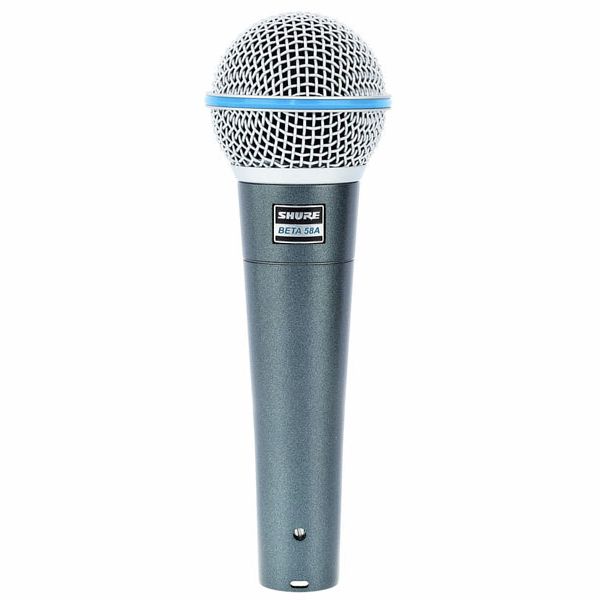
Handheld microphone
The most common format in live sound: the performer holds it and points it towards their mouth, actively controlling the distance and angle of capture. Available both wired and in wireless versions.
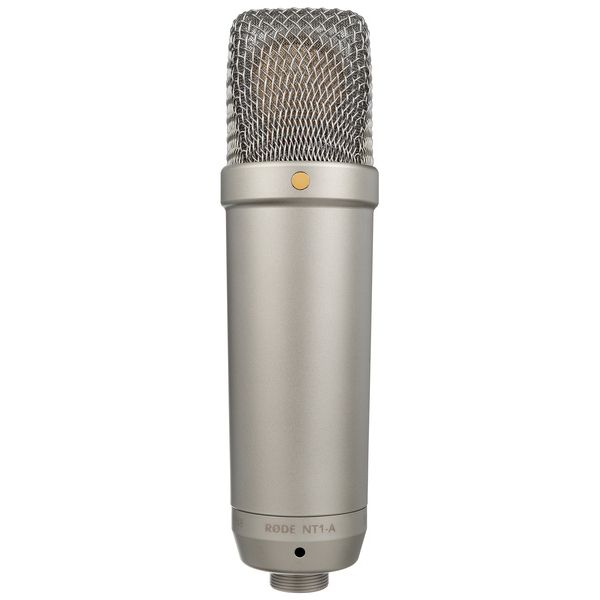
Studio microphone (side-address)
Large-diaphragm microphones mounted vertically on a stand, with the capsule facing the side of the microphone's body rather than its tip. This is the characteristic format for vocal and instrument recording in the studio.
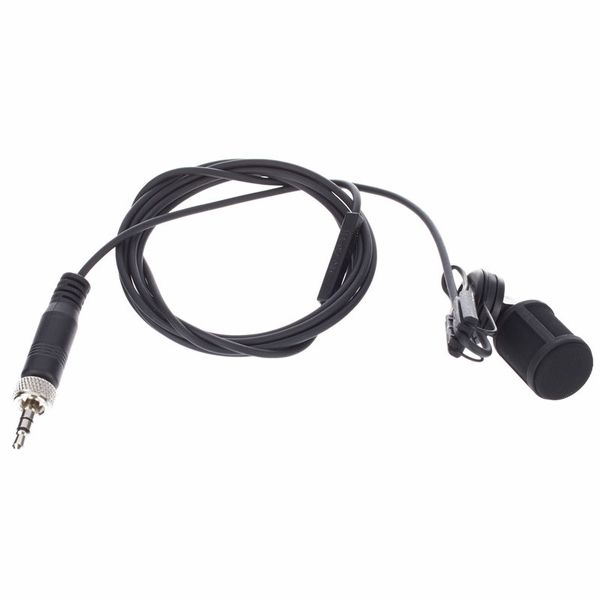
Lavalier microphone
A miniature condenser microphone, typically electret, clipped to the performer's clothing. It is the most discreet and least visible format, widely used in theatre, television and conferences.
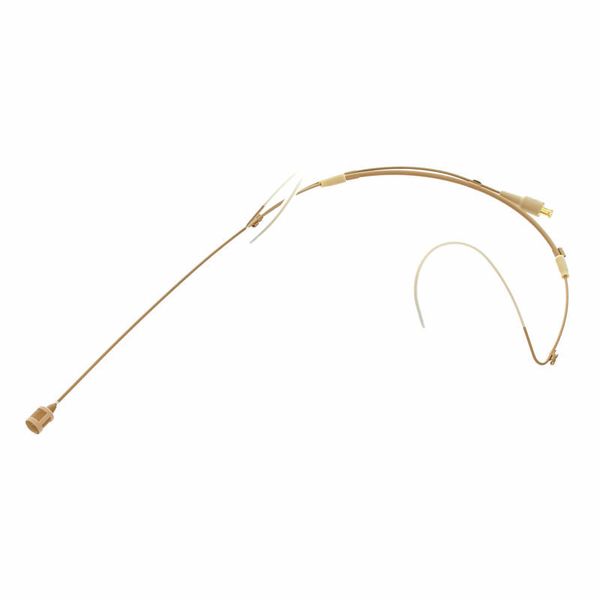
Headset microphone
Fixed to the performer's head via a headband or ear hook, keeping the capsule at a constant distance from the mouth. It provides a consistent signal level even with movement, making it the reference choice for musical theatre, presentations and hands-free activities.
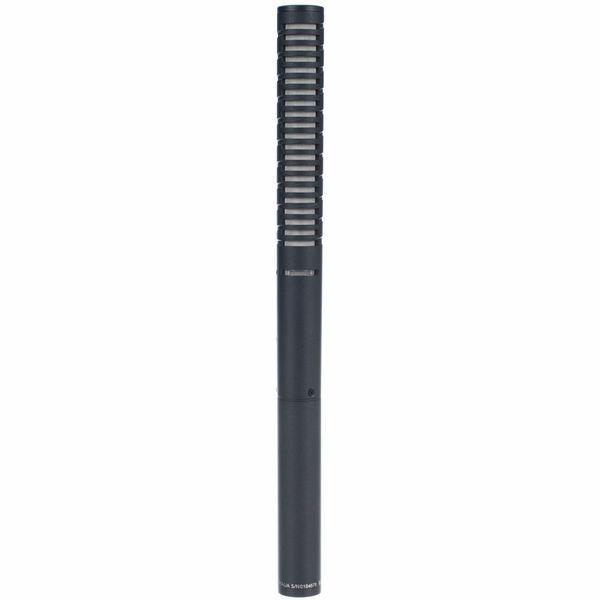
Shotgun microphone
Recognisable by its elongated body with an interference tube — a series of slots running along the body — which gives it extreme directionality: it rejects sound from the sides and captures with precision along its front axis, even at some distance from the source. It is the standard in film, television and video production, mounted on a boom pole or on the camera.
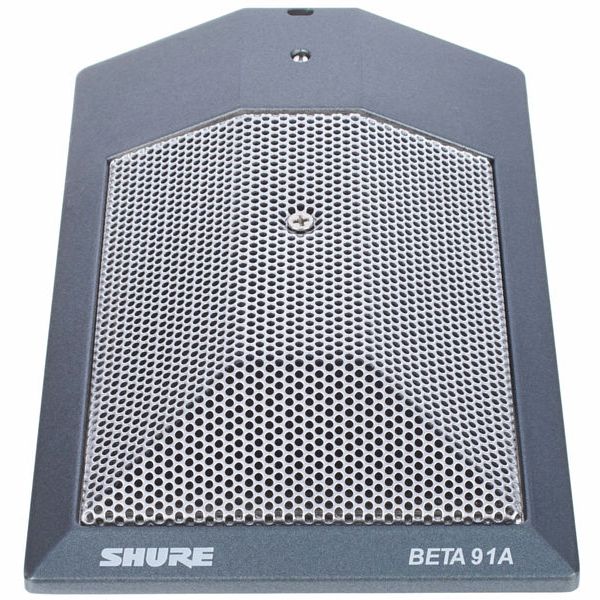
Surface microphone (boundary / PZM)
A very small capsule mounted flush with a flat plate that rests directly on a surface — a table, a floor, a stage. By eliminating the early reflections that would otherwise occur between that surface and a conventional microphone placed on it, it captures the sound of the whole room more uniformly. Common in conference rooms, theatre and choir capture.
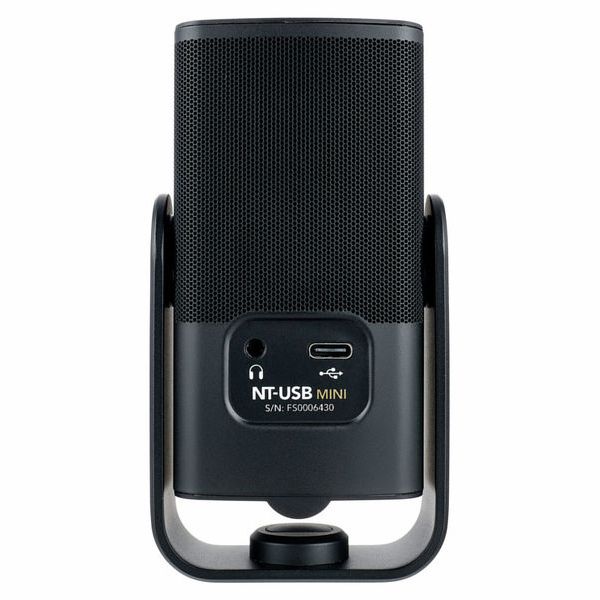
USB microphone
Integrates the preamplifier and the analogue-to-digital converter directly into the capsule, so it connects straight to the computer with no need for an external audio interface. Very popular in podcasting, streaming and simple home recording, though with less flexibility than an XLR microphone connected to a dedicated interface.
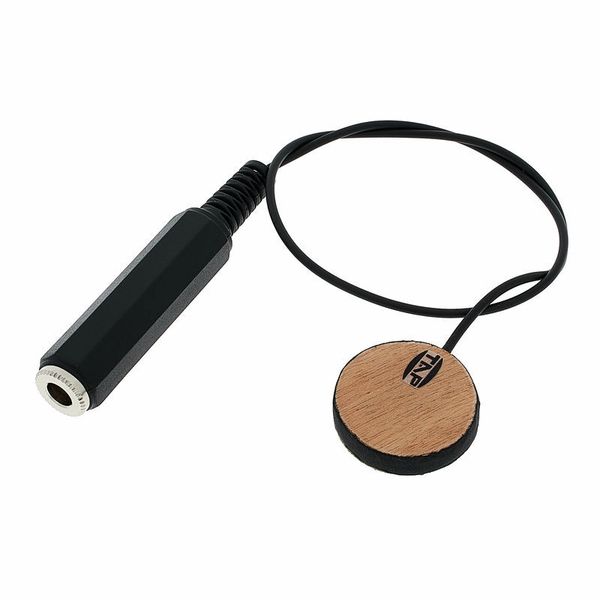
Contact (pickup) microphone
Does not capture sound carried through the air, but instead attaches directly to the body of an acoustic instrument and captures its physical vibration, typically via the piezoelectric principle. Common on acoustic guitars, violins and other stringed instruments in contexts where conventional microphone capture is not practical.
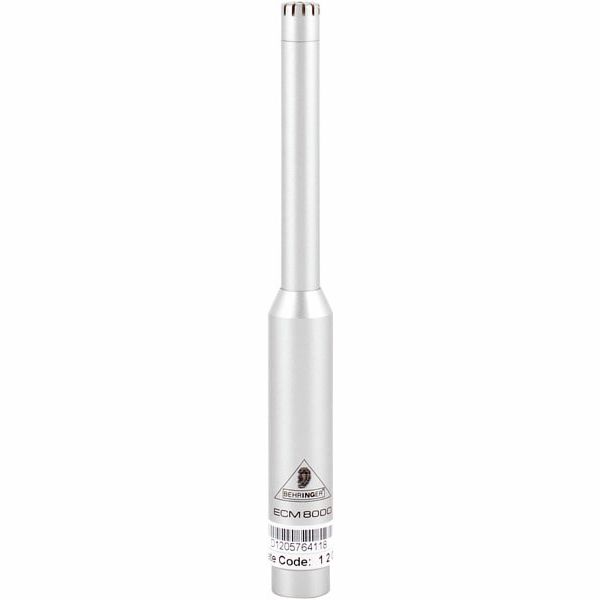
Measurement microphone
A precision omnidirectional microphone, individually calibrated at the factory, designed to have the flattest and most neutral frequency response possible across the entire audible range. It seeks no sonic character of its own: its function is to faithfully represent the real acoustics of a room or the behaviour of a PA system, and it is used together with acoustic analysis software for system calibration and room treatment.
Classification by connection type
Finally, microphones also differ in how they transmit the signal from the capsule to the recording or sound reinforcement equipment:
- Wired (XLR): The analogue signal travels directly through a balanced cable to the console or interface. The standard connection in professional environments for its reliability and absence of latency.
- Wireless: The microphone incorporates — or connects to — a small radio-frequency transmitter that sends the signal to a receiver placed near the console. Offers freedom of movement in exchange for greater technical complexity.
- USB / digital: The microphone itself performs the analogue-to-digital conversion internally and connects directly to the computer.
This classification is independent of the transduction principle: a wireless microphone can have exactly the same dynamic or condenser capsule as a wired one; the only thing that changes is how the signal travels to its destination.
Summary: the five classification axes
- Transducer: Dynamic, condenser, ribbon, electret.
- Diaphragm (in condensers): Large diaphragm (LDC) or small diaphragm (SDC).
- Polar pattern: Cardioid, omnidirectional, figure-of-8, super/hypercardioid.
- Physical format: Handheld, studio, lavalier, headset, shotgun, surface, USB, contact, measurement.
- Connection: Wired (XLR), wireless, USB/digital.