Live sound is the technical and artistic discipline responsible for processing, amplifying, and distributing sound in spaces where a live event takes place, such as concerts, conferences, or stage performances.
Its purpose is not simply to increase volume, but to ensure that the audio is clear, balanced, and natural, preserving the artistic intent of the performer and ensuring that the audience perceives the same sound quality at any point in the venue.
Live sound stands at the intersection of acoustic engineering and musical expression. On one hand, it requires a deep mastery of the physical principles of sound and the operation of complex electronic systems. On the other, it demands a critical ear and artistic sensitivity to decide which elements should stand out in the mix and how to transmit the emotion of the music intact to the listener. This is why many professionals consider it an "invisible art."
Unlike a recording studio, which seeks precision and detail in an isolated environment, live sound faces an environment full of variables. Factors such as weather conditions, ambient noise, and direct interaction with the audience turn every event into a unique challenge where there are no second takes. The technician must have the ability to anticipate and react in real-time to unforeseen events.
History and evolution of live sound
The history and evolution of live sound has been a decisive factor in the development of modern music, radically transforming the way the audience experiences shows. This evolution can be summarized in the following technological and operational milestones.
From public address to complex systems
In its early days, live sound relied on rudimentary public address (PA) systems. Over time, these systems evolved into sophisticated configurations that today can integrate hundreds of channels and distributed audio networks.
The digital revolution in control
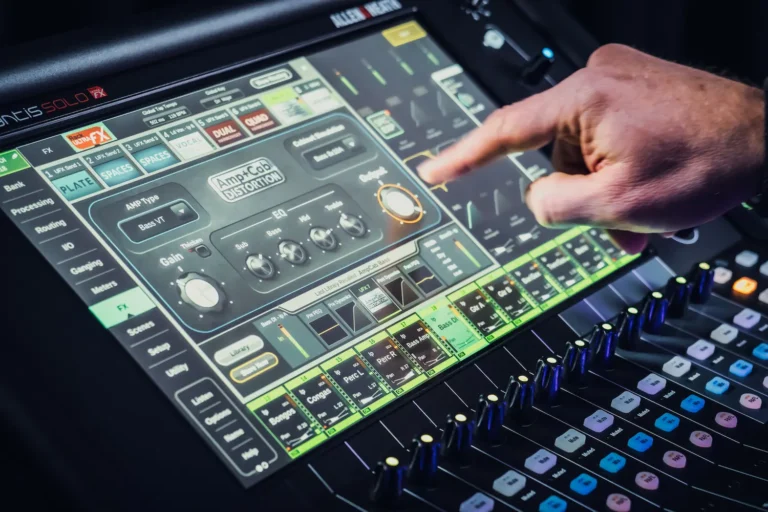
One of the most significant changes has been the transition to digital consoles. Unlike older equipment, current desks internally integrate all the necessary processing:
- Dynamics processing: Compressors, noise gates, and expanders.
- Frequency processing: Advanced equalizers and filters.
- Time-based processing: Reverbs, delays, and various effects that previously required external units.
The leap in diffusion: the Line Array system
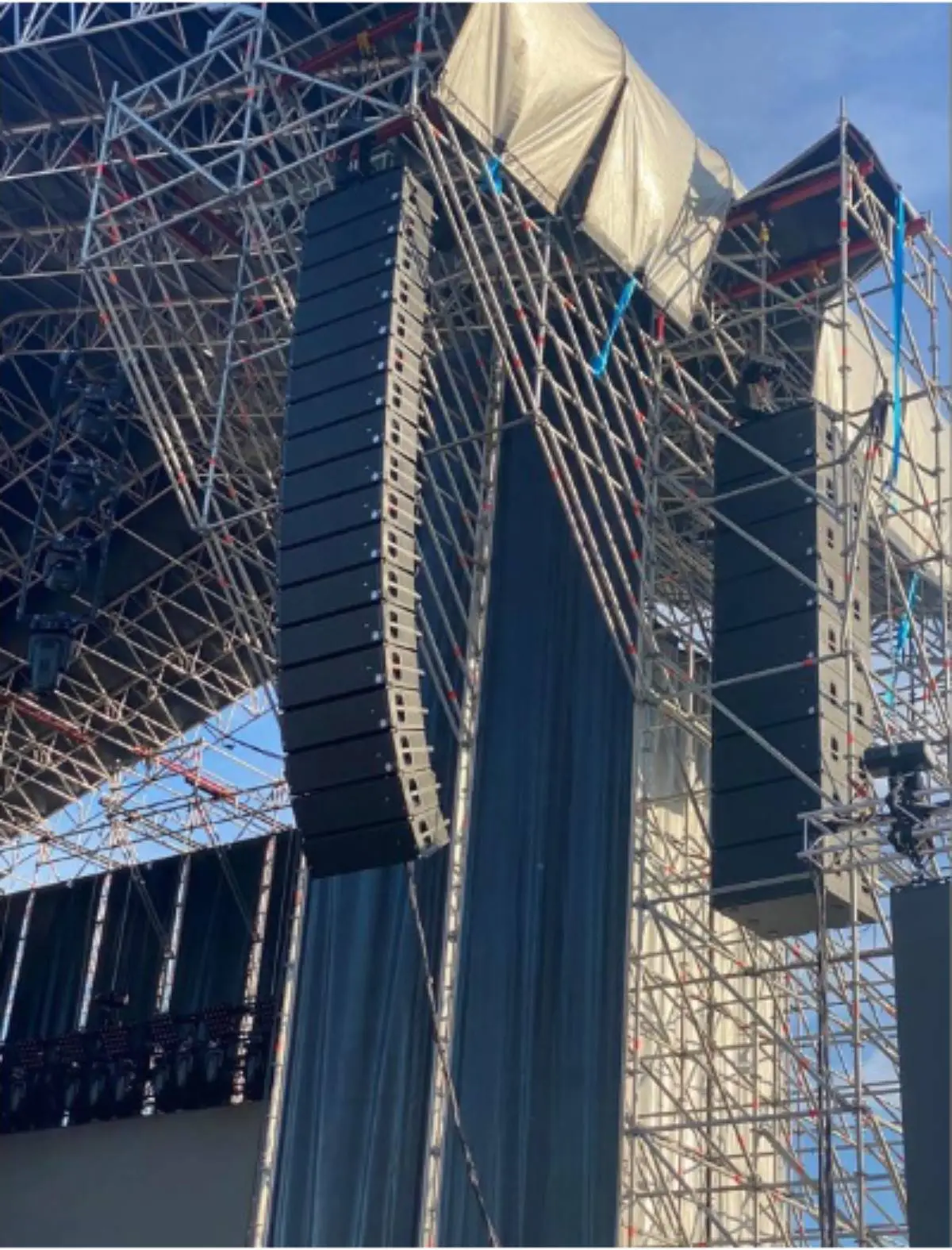
In recent years, the massive use of line array systems has marked a before and after in the sound reinforcement of large venues. These systems allow system technicians to achieve uniform sound throughout the space, minimizing phase cancellations and ensuring optimal coverage for the entire audience.
Evolution of monitoring: from floor wedges to In-Ears
The way musicians hear themselves on stage has changed drastically. Previously, floor monitors were used, which required aggressive equalization and often caused feedback problems.
With the arrival of In-Ear systems (IEM), high-fidelity monitor mixes could be performed, similar in quality to what the audience receives, eliminating the risk of feedback.
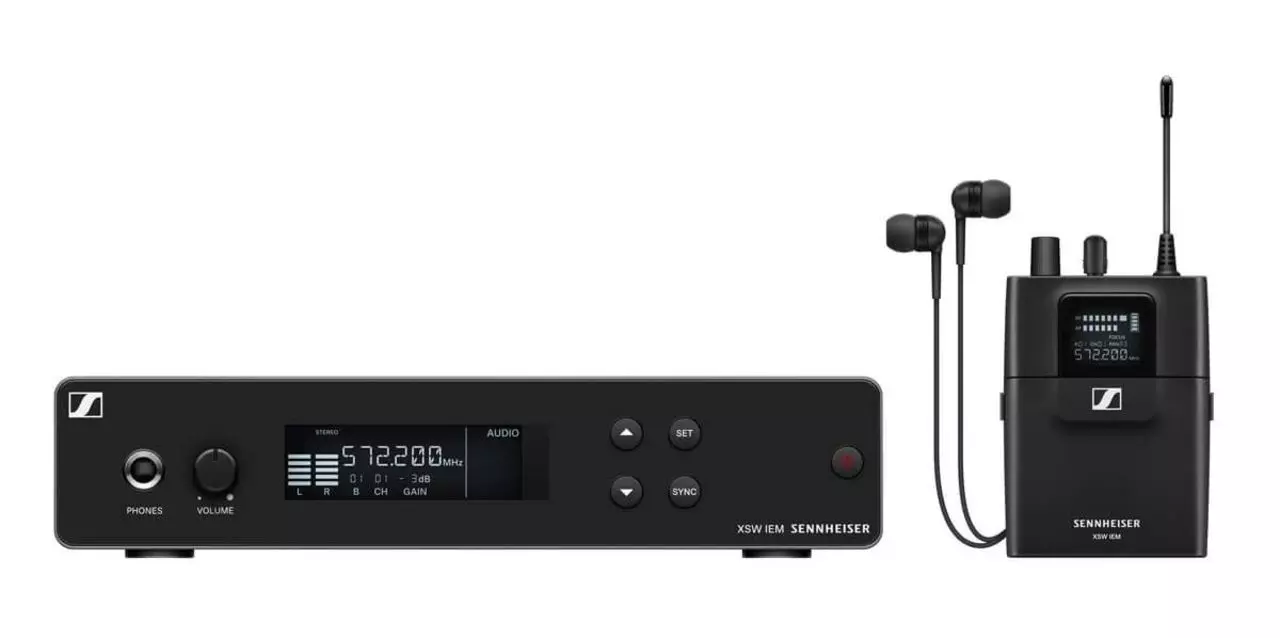
While this new system introduces a sense of isolation for the performer from the rest of the band, it can be compensated for with ambient microphones.
Current era: mobility and wireless management
Current technology has introduced tools that provide unprecedented freedom:
- Control via apps: Technicians now use applications to manage mixing consoles from any point in the venue or on stage, allowing them to adjust the sound exactly where the musician or the audience perceives it.
- Radio Frequency (RF) Management: Scanning software allows the coordination of multiple wireless microphones and IEM systems without interference, something unthinkable in the early stages of the discipline.
Operational stages in live sound
In live sound, the sound reinforcement system is articulated through four fundamental operational stages that allow the signal to travel from the stage to the audience's ears with clarity and power.
Below are these stages based on the technical functions and professional roles involved:
Input (Capture)
This is the initial stage where signals are picked up from the original sound sources (voices, instruments, amplifiers) through microphones, Direct Injection boxes (DI), and wireless systems.
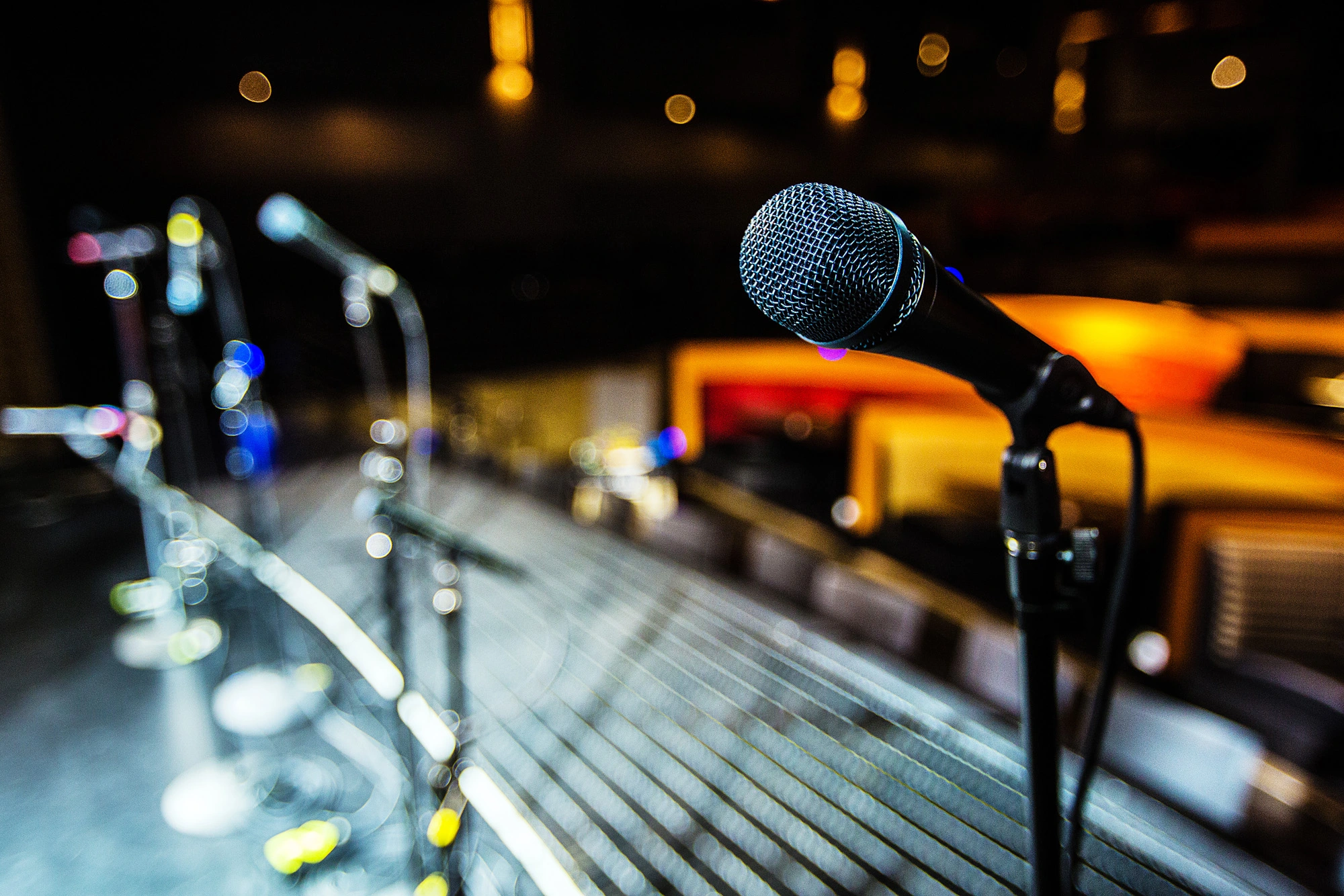
The choice of microphone depends on its directivity, sensitivity, and the sound pressure level it will handle. Additionally, the microphone technician must manage phase when using multiple mics for the same source and handle frequencies in wireless systems (RF) to avoid interference.
The stage technician is responsible for placing mic stands, DI boxes, and performing all necessary cabling so the signal flows toward the consoles.
Processing and Mixing
In this phase, the captured signals are balanced and shaped to create a coherent sound discourse through the mixing console. This desk is the operational center where levels are adjusted, and equalization (frequency), compression (dynamics), and effects such as reverb or delay (time) are applied.
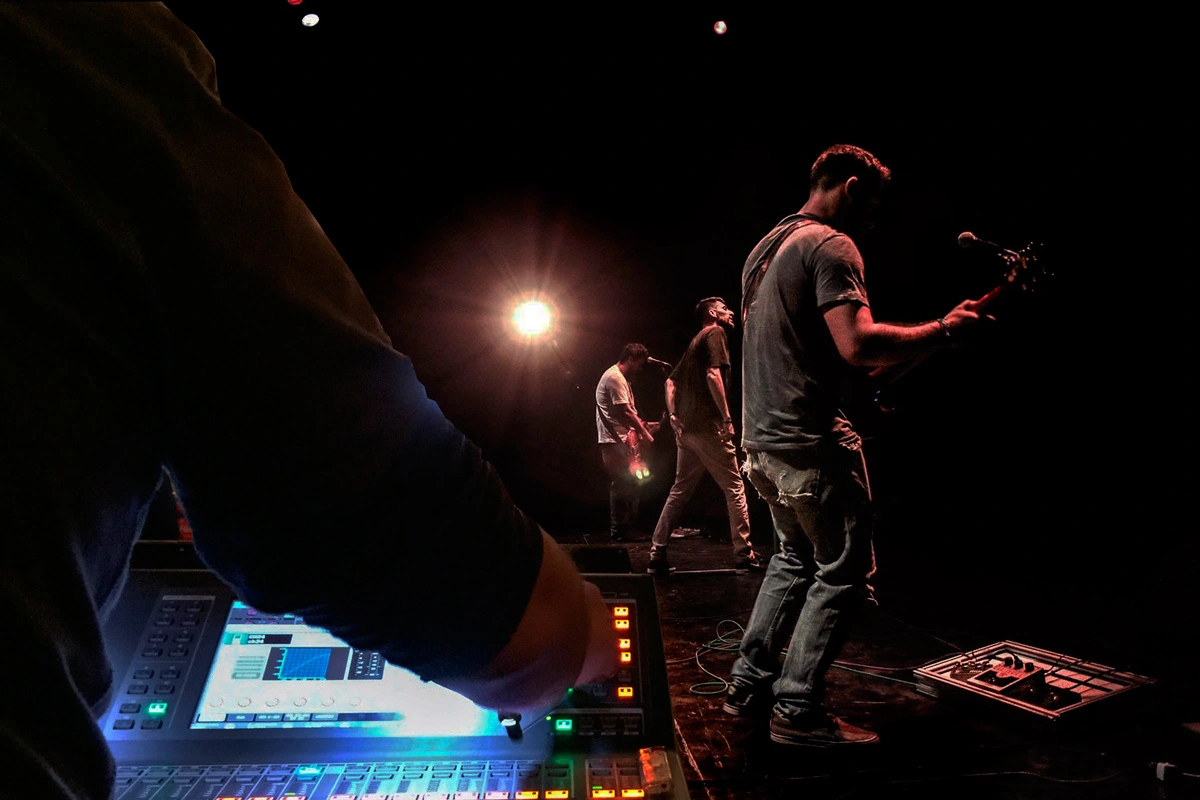
Within this phase, we can find two different mixes:
- PA Mix (FOH): The Front of House technician creates the final mix that the audience will hear, seeking a natural and artistic balance.
- Monitor Mix: The monitor technician performs personalized mixes for each musician (either through floor wedges or in-ear systems) so they feel comfortable and can perform correctly.
Amplification
Once the sound has been mixed, the electrical signal is still too weak to drive large speakers. To solve this, power amps or integrated amplifiers are used to significantly raise the signal level.
These amplified signals are directed both to the main systems facing the audience and to the stage monitoring systems.
Diffusion (Output)
This is the final stage where the electrical signal is converted back into sound waves through the speakers. This phase includes main speakers, subwoofers for low frequencies, and stage monitors.
The system technician is key here, especially with complex systems like line arrays. Their job is to achieve uniform coverage throughout the venue, adjusting the level, time (delay), and phase between the different groups of speakers.
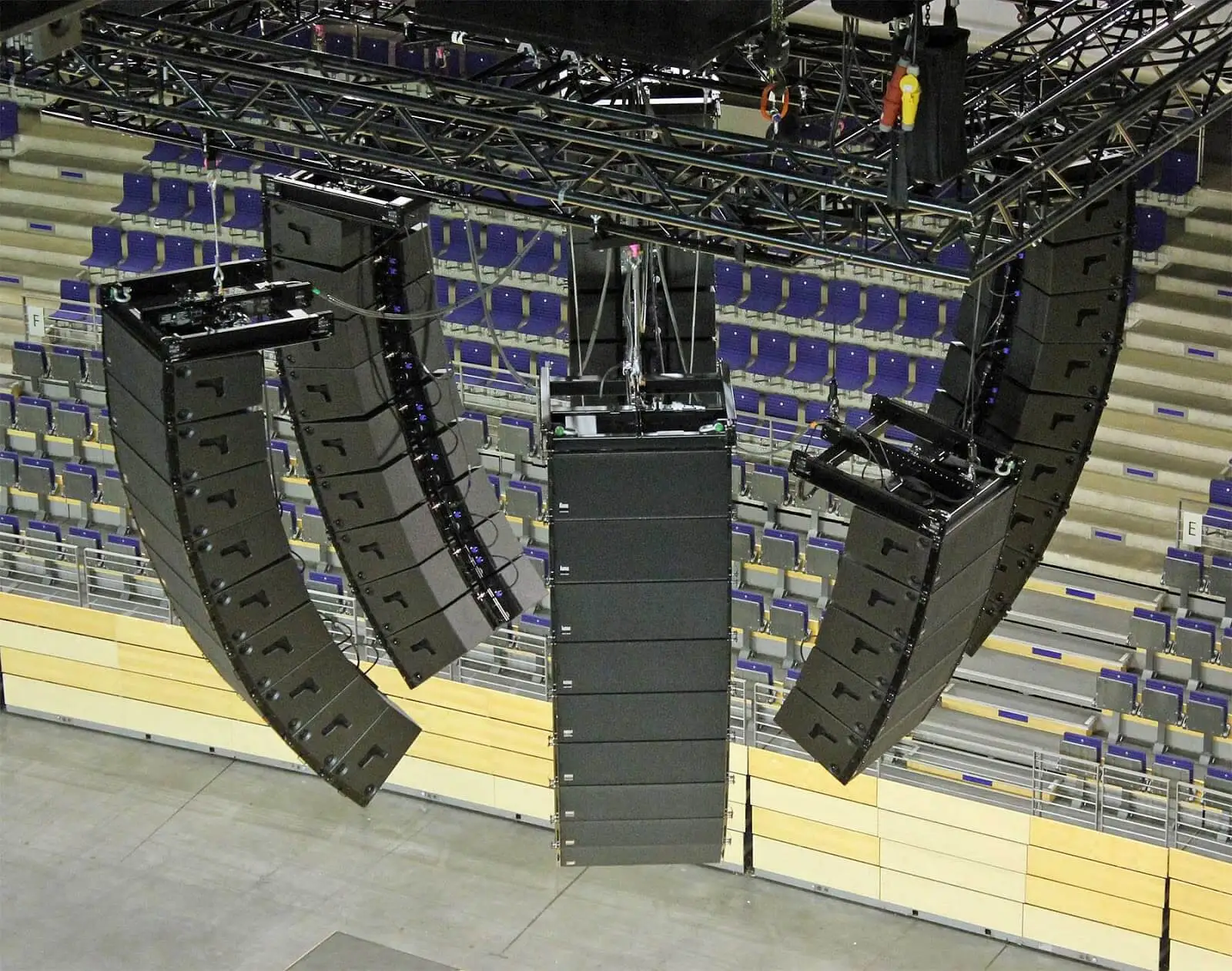
In this stage, we can also find the rigging technician, who is in charge of the safe "flying" (suspension) of the speakers, following the precise angles and heights dictated by the system design.