At live events, electricity is as essential as it is invisible. It powers mixing consoles, amplifiers, lighting rigs and thousands of metres of cabling. But when water, humidity or an electrical fault enters the equation, that same system can become a lethal hazard. Understanding how grounding and residual current devices (RCDs) work is the foundation of electrical safety on any professional stage.
Why is water so dangerous on stage?
Water is an electrical conductor. When it comes into contact with electronic equipment, it can divert current from internal circuits to metal casings, cables and ultimately to anyone who touches them. Even high ambient humidity — such as dew at an outdoor festival — can be enough to create a conductive path.
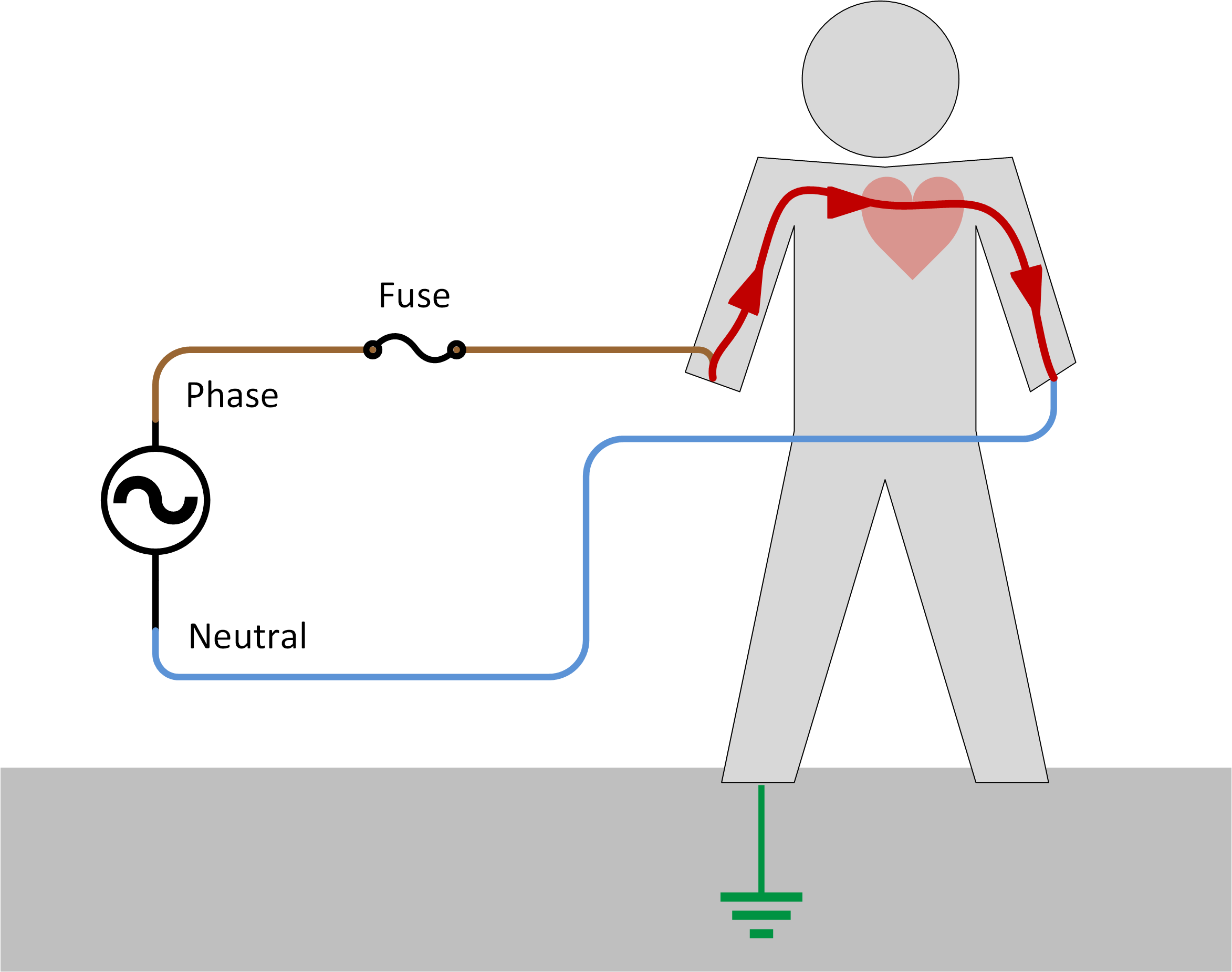
The most critical factor is the electrical resistance of the human body. Under normal conditions, dry skin offers a degree of resistance to current flow. However, when the body is wet or the ground is damp, that resistance drops sharply, turning technicians and musicians into the path of least resistance for any fault current seeking earth.
This is why cancelling a concert in the presence of rain or excessive moisture is not an arbitrary call — it is a safety protocol that can save lives. The show must never take precedence over the physical safety of everyone present.
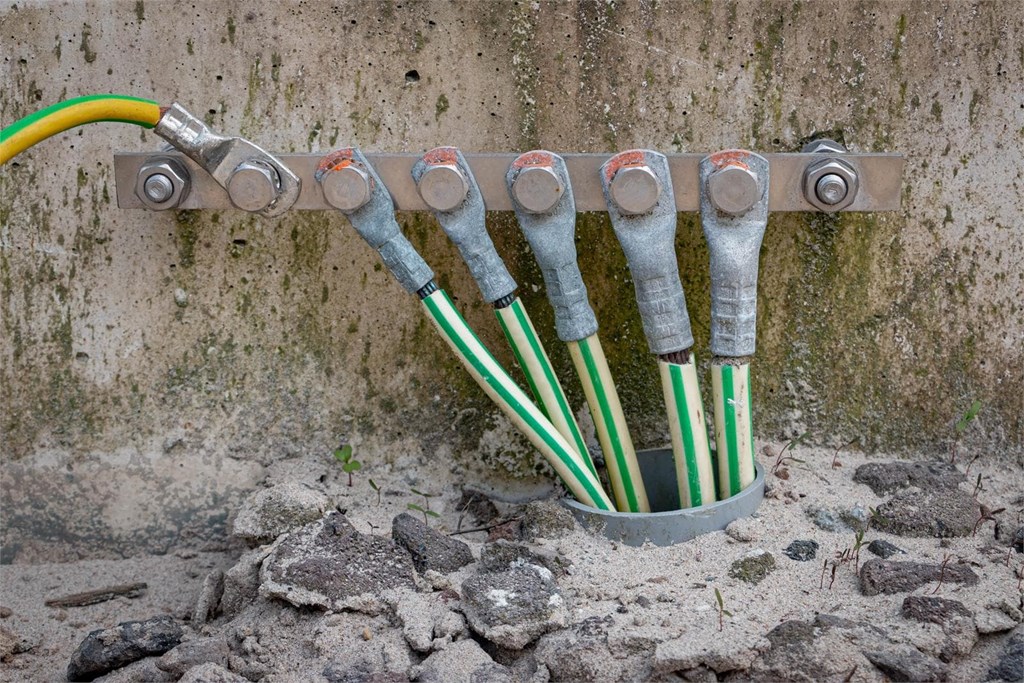
Grounding: The foundation of electrical safety
Grounding (or earthing) is a safety circuit formed by a cable — typically coloured yellow and green — that connects the earth terminals of outlets to the physical earth via a conductive metal rod driven into the ground. Its purpose is to provide a controlled escape path for any leakage current that appears in the installation.
Its main functions on a live stage are:
- Leakage current dissipation: If a piece of equipment suffers an internal fault and its metal casing becomes live, the earth connection conducts that current directly to the physical earth, preventing it from seeking alternative paths such as a musician's or technician's body.
- Protection of people and equipment: Without a functional earth connection, touching an instrument plugged into an amplifier with an electrical fault can turn the performer into the unintended conductor of the discharge.
- Audio quality: The earth connection acts as a drain for electromagnetic interference and electrical noise. A poor or absent earth is the most common cause of unwanted sounds such as hiss, clicks or hum in the speakers.
- Prevention of static build-up: In installations using generators, it prevents the accumulation of static voltages that could propagate through the metallic structures of the stage.
What noises indicate a poor earth connection?
Before an accident occurs, the electrical installation often sends acoustic warning signs of a grounding problem. The most common are:
- Continuous frying or hissing noise: A constant sound resembling hot oil in a pan, caused by electromagnetic interference with no escape path.
- Repetitive transient sounds: Clicks, pops, crackles or snaps that appear intermittently and are superimposed on the audio signal.
- Hum or buzz: A continuous low-frequency drone generated by ground loops, which occur when a piece of equipment "sees" earth via two different paths simultaneously.
- Persistent interference: If mains filters cannot eliminate electromagnetic noise, it may indicate a defective earth, since these filters rely on a solid earth connection to function correctly.
It is important to distinguish between earth/ground (the safety circuit connected to the physical earth) and signal ground or chassis ground (the zero-voltage reference within the audio circuit), as both affect signal cleanliness but are technically different concepts.
The RCD: Active protection
The residual current device (RCD) — also known as a ground fault circuit interrupter (GFCI) in some regions — is a protection device that continuously monitors the current flowing through the live conductor and the current returning through the neutral. When it detects the slightest difference between the two values, it cuts the power supply automatically and instantaneously.
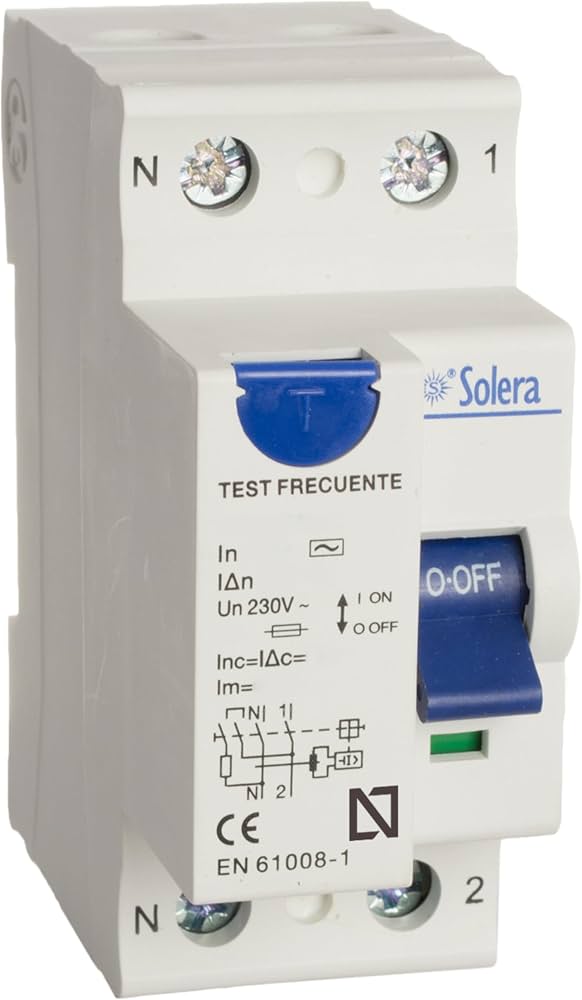
Standard RCDs trip at leakage currents of 30 mA (0.03 A). In areas with significant water or humidity, it is recommended to use higher-sensitivity RCDs rated at 10 mA, as even low-intensity currents can be fatal depending on the duration of exposure and the path taken through the body.
Why an RCD is useless without an earth connection
This is one of the most critical and most frequently misunderstood concepts in stage electrical safety. The RCD and the earth connection are mutually dependent: one without the other provides no real protection.
The mechanism works as follows:
- With a functional earth connection: If equipment develops a fault and its casing becomes live, current flows immediately to the physical earth through the safety cable. The RCD detects the imbalance (current is "missing" from the neutral return) and trips automatically, cutting power before anyone receives a shock.
- Without an earth connection: The fault current becomes trapped in the equipment casing. With no escape path, the amount of current entering through the live wire remains equal to the amount leaving through the neutral, so the RCD detects no anomaly and does not trip. It will only act at the moment a person touches the faulty equipment and their body becomes the path to earth — which may already be too late.
Maintenance and testing
Having these elements installed is not enough. They must be verified regularly:
- Test button check: All RCDs include a button marked "T" or "Test". Pressing it simulates an internal fault current; if the device is working correctly, the lever must trip immediately. This test should be carried out once a month.
- Multimeter measurements: To verify that the earth connection is functional, measure the voltages between the three points of the outlet in AC mode:
Reference values with a multimeter
A correctly wired installation should give approximately the following readings:
- Live + Neutral: 220 V – 240 V (normal mains voltage).
- Live + Earth: a similar value to the above (~220 V). If the meter reads 0 V or only a few tens of volts, the earth is absent or defective.
- Neutral + Earth: a very low value, ideally under 3 V. Higher values indicate a problem.
If two of the three possible measurements return very low or similar values, the conclusion is clear: the earth connection is faulty or non-existent.
Earth connections can degrade over time due to corrosion of the earth rod or extremely dry soil conditions, and should be inspected by a qualified electrician on a regular basis.
False earth: A lethal hazard
A common but extremely dangerous practice in inadequate installations is to create a bridge between the neutral conductor and the earth terminal to simulate a ground connection that does not physically exist. This is known as a false earth.
Its risks are critical:
- Reversed polarity risk: If the outlet has reversed polarity (the live conductor where the neutral should be), the bridge turns the earth into a live 220 V conductor, instantly energising every metal casing connected to the system.
- Fault distribution: If any piece of equipment develops a fault and sends current to its chassis, that electricity is distributed to every other piece of equipment in the system through the shared earth cable.
- False sense of security: The user believes they are protected when in reality the RCD cannot act preventively, as there is no real escape path to the physical earth.
Essential safety measures on stage
Electrical infrastructure
- Always verify that the earth connection is physical (a real earth rod) and not a bridge with the neutral conductor.
- Earth not only the audio equipment but also the metal structures of the stage and the lighting systems.
- Avoid daisy-chaining power strips, which increases risk if the installation lacks a functional earth rod.
Protection against water and humidity
- Use weather-resistant canopies or roofing as a primary safety measure at outdoor events, not merely as a visual element.
- Cover mixing consoles, racks and instruments with plastic sheeting at any sign of rain or dew.
- Suspend the event if the ground is wet: the body's electrical resistance drops significantly and the risk of shock increases dramatically.
Individual prevention
- Insulating footwear: Never work barefoot or wearing soles made of conductive materials such as leather or jute.
- Wireless systems: Using wireless links for instruments and microphones removes the physical cable connecting the performer to the mains-powered equipment, breaking the circuit through which a fault current could travel. Strongly recommended on wet stages.
- One-hand rule: Avoid touching two metal objects simultaneously (such as guitar strings and a metal-bodied microphone), as the body could become the bridge between two different electrical potentials.
- No liquids on equipment: Do not place glasses or bottles on any piece of equipment — a common but high-risk practice on stage.
- Caution with vintage amplifiers: Many older models include capacitors between the chassis and the neutral conductor. A polarity reversal can energise the entire metal casing, turning the connected instrument into an electrical trap.
The portable distribution board: Guaranteed safety
When the venue's electrical installation is unreliable, the best solution is for the professional to bring their own portable power distribution board. This guarantees quality protection regardless of the fixed installation at the venue.
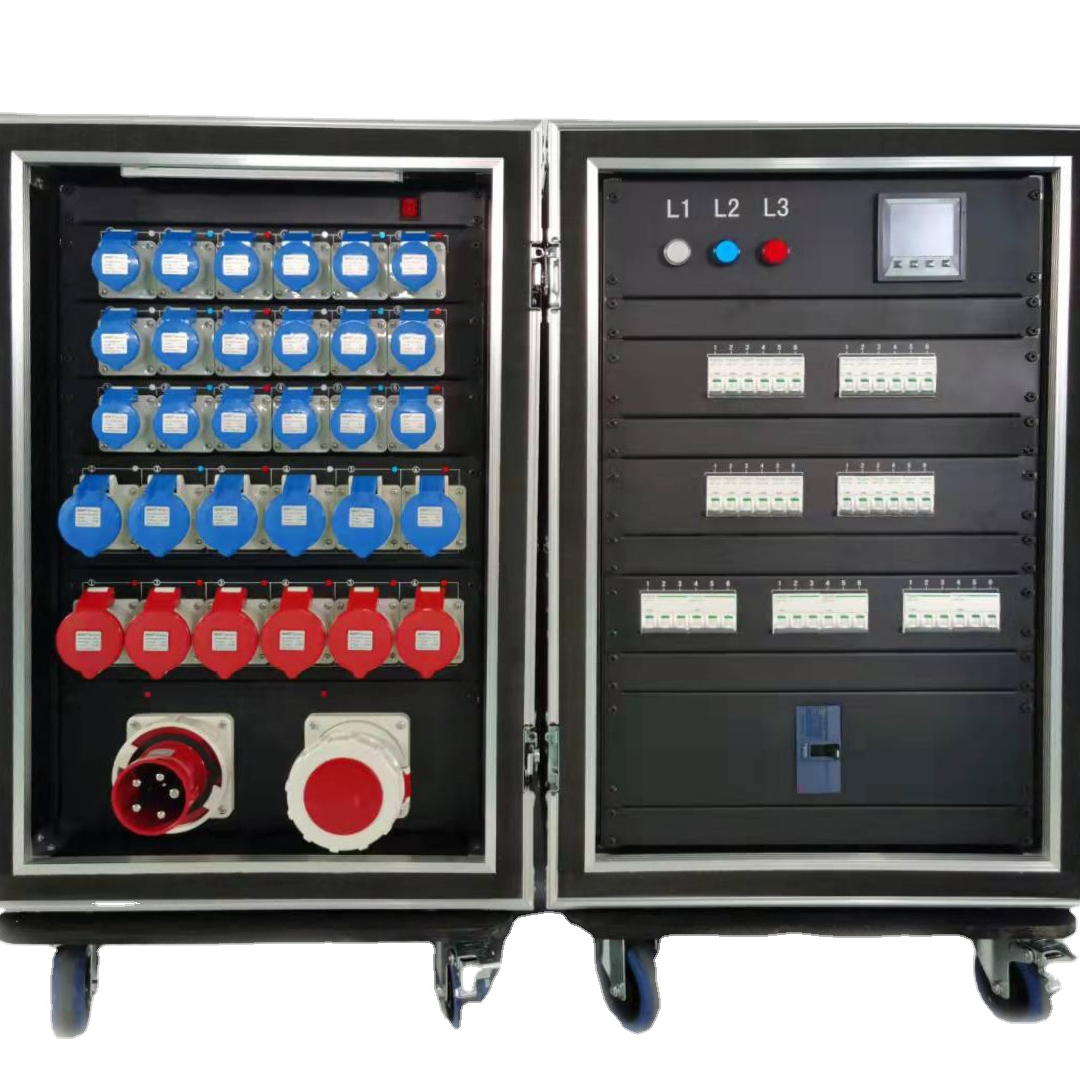
A safe distribution board should include:
- Standardised enclosure with DIN rail and a minimum IP 42 protection rating (plastic or metal).
- Residual current device (RCD) rated at least 25 A.
- Bipolar thermal circuit breakers to isolate individual power outlets.
- Digital panel voltmeter to monitor mains voltage at all times.
- Supply cable with three conductors (Live, Neutral and Earth), minimum cross-section of 3 x 2.5 mm².
- Standardised three-pin plug rated at 10 or 20 A according to the anticipated total load.
The digital voltmeter will alert the user to voltage drops or dangerous readings that could damage amplifiers or consoles. If the board's RCD trips, it makes it easier to identify the faulty piece of equipment without having to shut down the entire venue's installation.
It is essential to remember that the portable board still depends on the venue having a functional earth rod: if no physical earth exists in the building, a personal board cannot replace it — though it does allow the situation to be monitored and acted upon accordingly.
